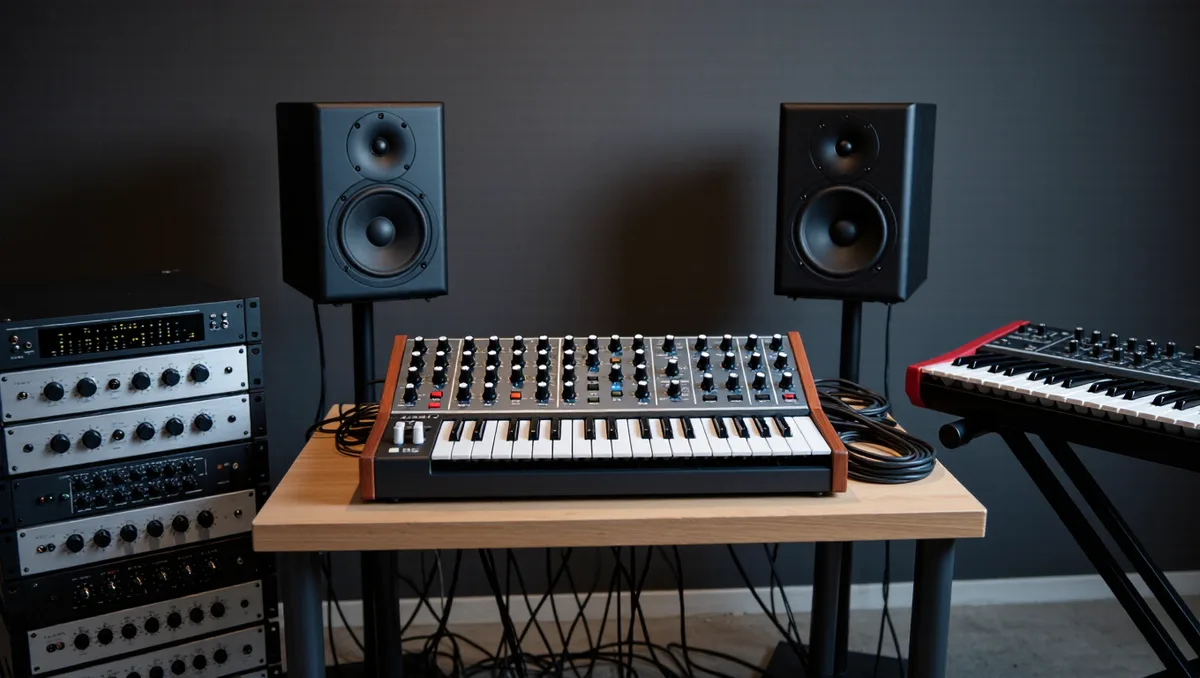
What Is a Drum Machine? The Boxes That Built Techno and House
A drum machine is a box that plays drum sounds by itself. A few of them failed at their intended job and accidentally invented house, techno and everything after.
A drum machine is a box that plays drum sounds by itself. A few of them failed at their intended job and accidentally invented house, techno and everything after.
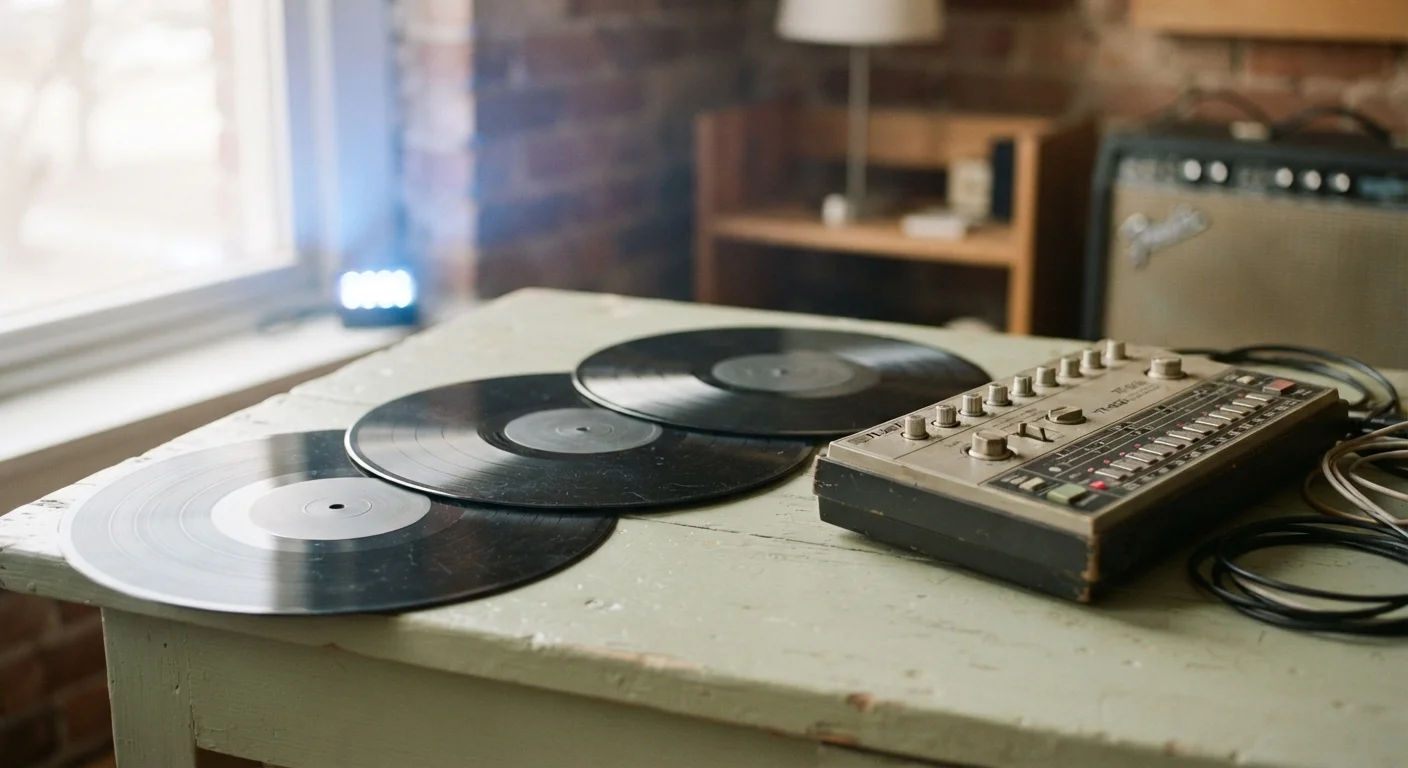
House runs at 120-130 BPM around a four-to-the-floor kick and swung grooves, tech house marries house's shuffle to techno's lean toolkit, and techno strips the shuffle out entirely — three lineages with distinct cities and tempos.
Spotify pays out by streamshare, not by a fixed rate per play — here's what that means for a working producer, and why the same stream can be worth twice as much on one platform as another.
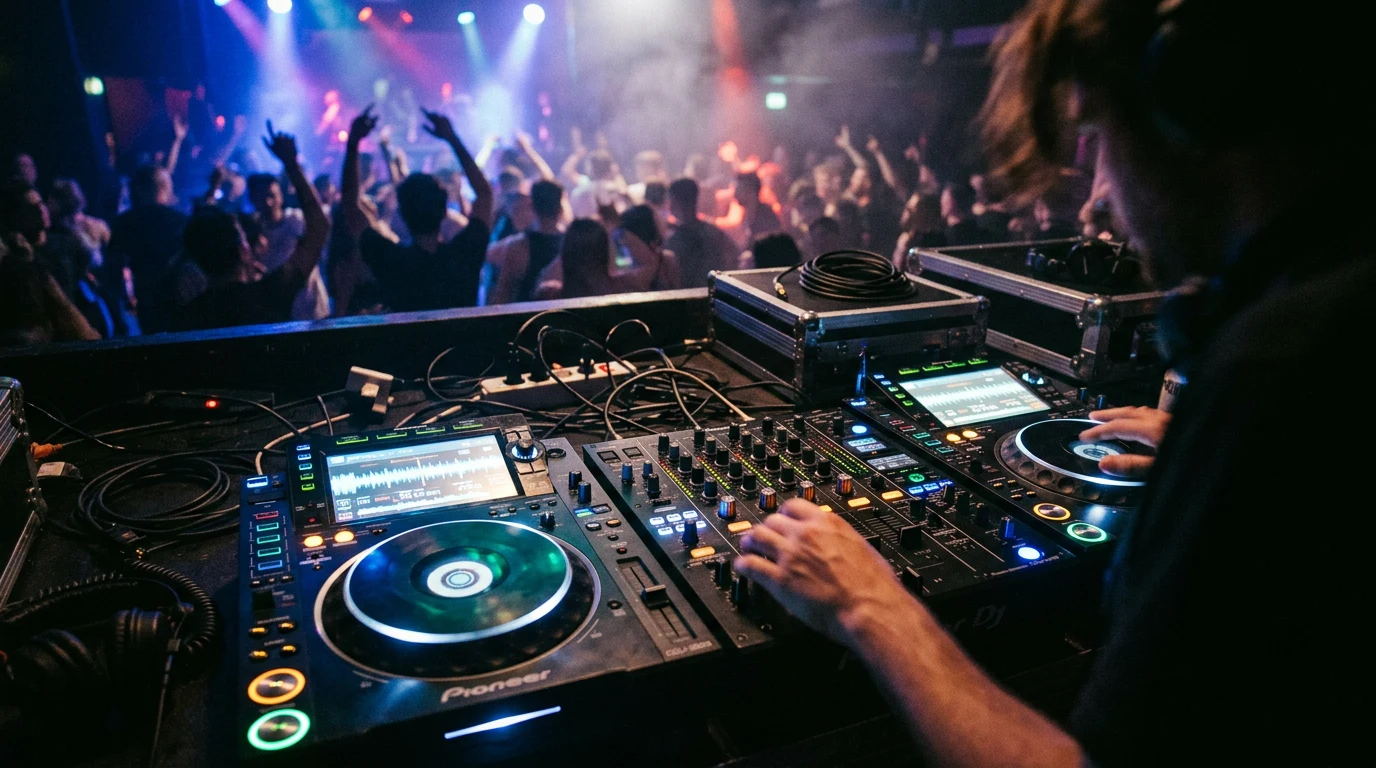
The digital multi-player behind almost every professional DJ booth traces back three decades — here's how it works, what it plays, and why the CD is long gone.
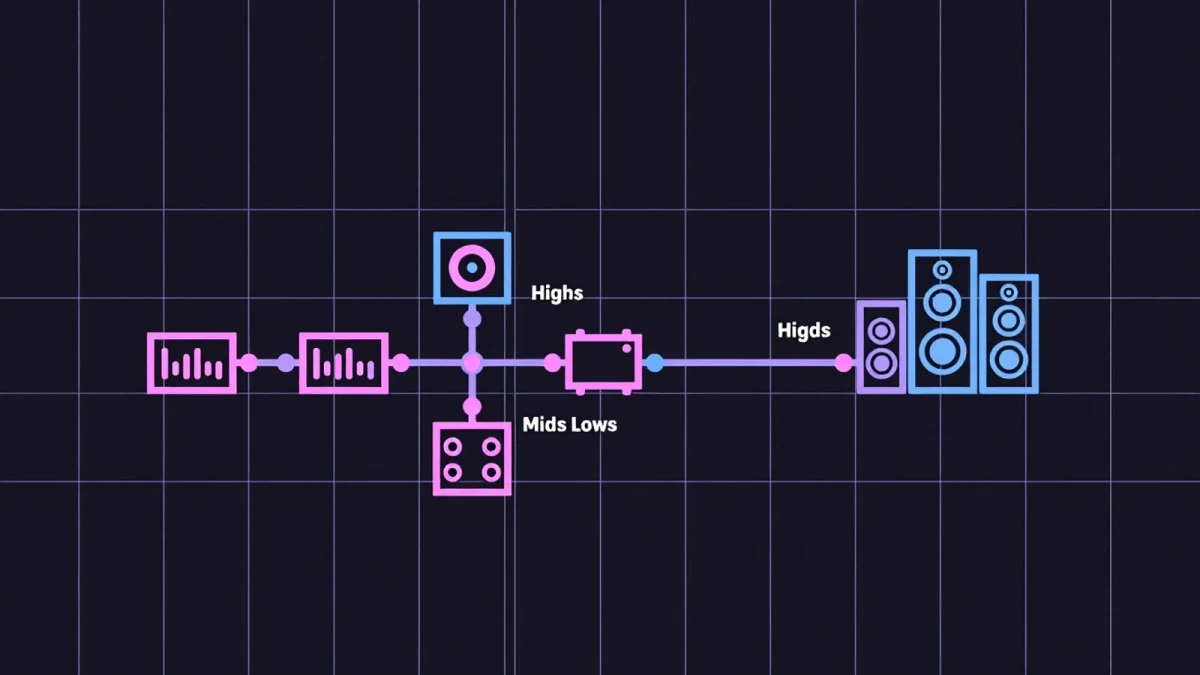
The PA is the instrument every DJ actually plays — here is how a club system turns your mixer's output into pressure, from booth monitor to line array to subwoofer.
Back-to-back sets are the scene's duet format — two DJs, one booth, alternating tracks — with a technique and an etiquette all of their own.
Bookings are a relationship business with a supply chain — demos, promoters, agencies and residents — and every link has a known, learnable protocol.
The log-drum, jazz-piano house style born in Gauteng's townships now has its own Beatport chart and a Coachella headline set to its name.
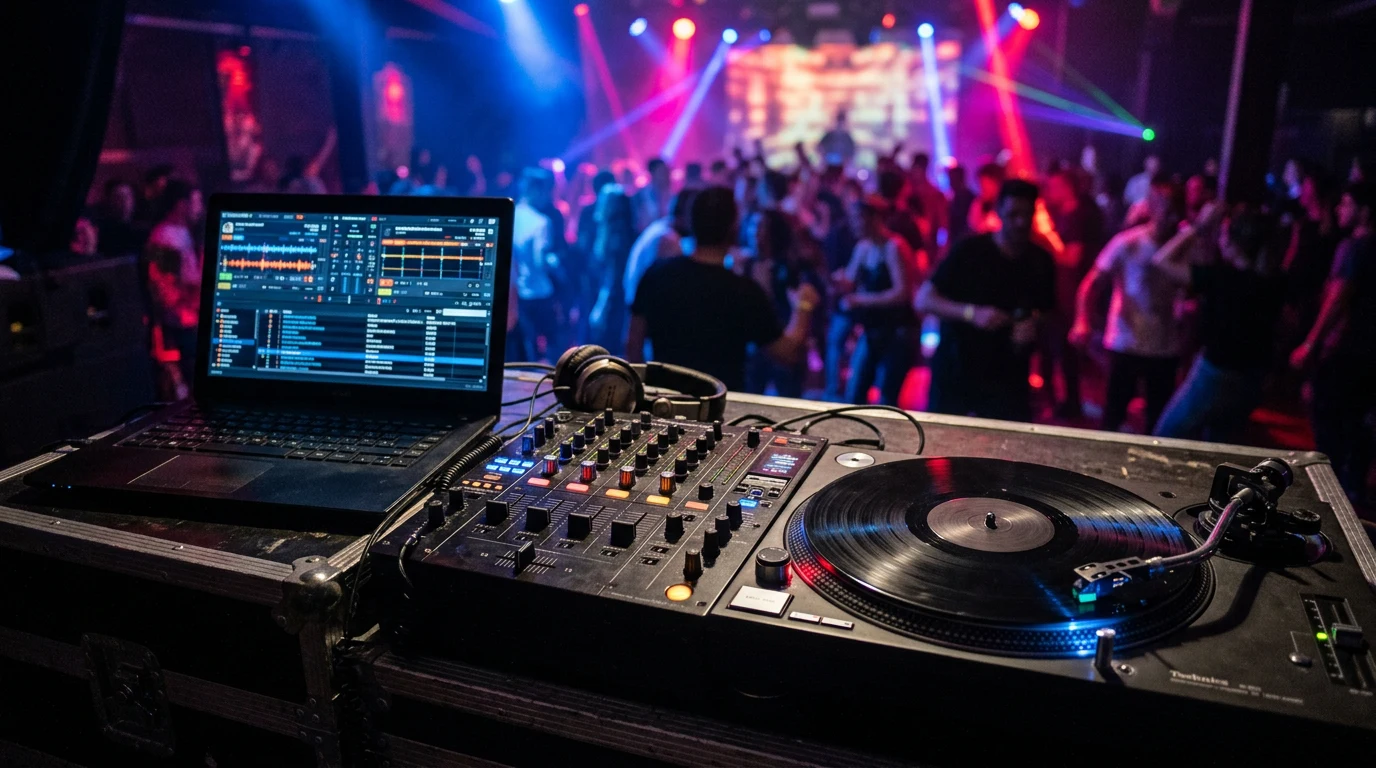
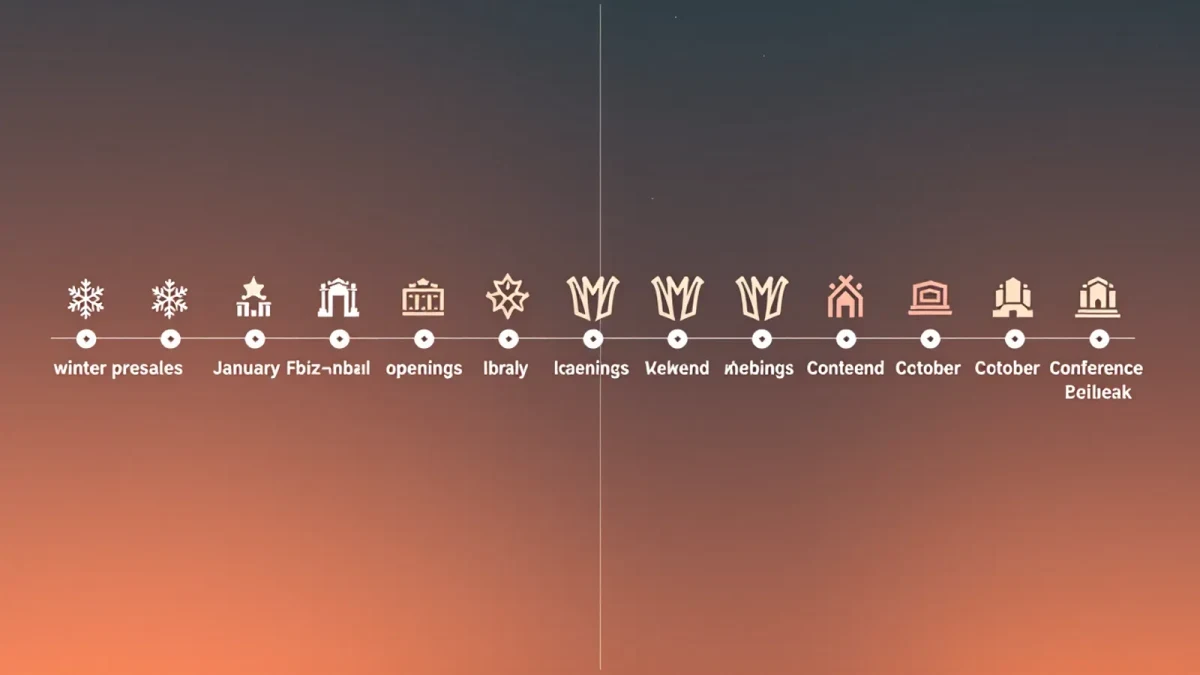
As summer 2026 peaks — Tomorrowland two weekends down, Ibiza at full tempo, festival queues as long as ever — the live electronic economy is bigger, louder and more concentrated than a decade ago.

Electronic festivals have become the live industry's sustainability leaders — hard cups, grid power, travel surveys — but the honest math says audience travel still dwarfs everything else combined.
From scene samplers to boxed retrospectives — what a compilation actually is, who gets paid, and why the best ones are authorship.
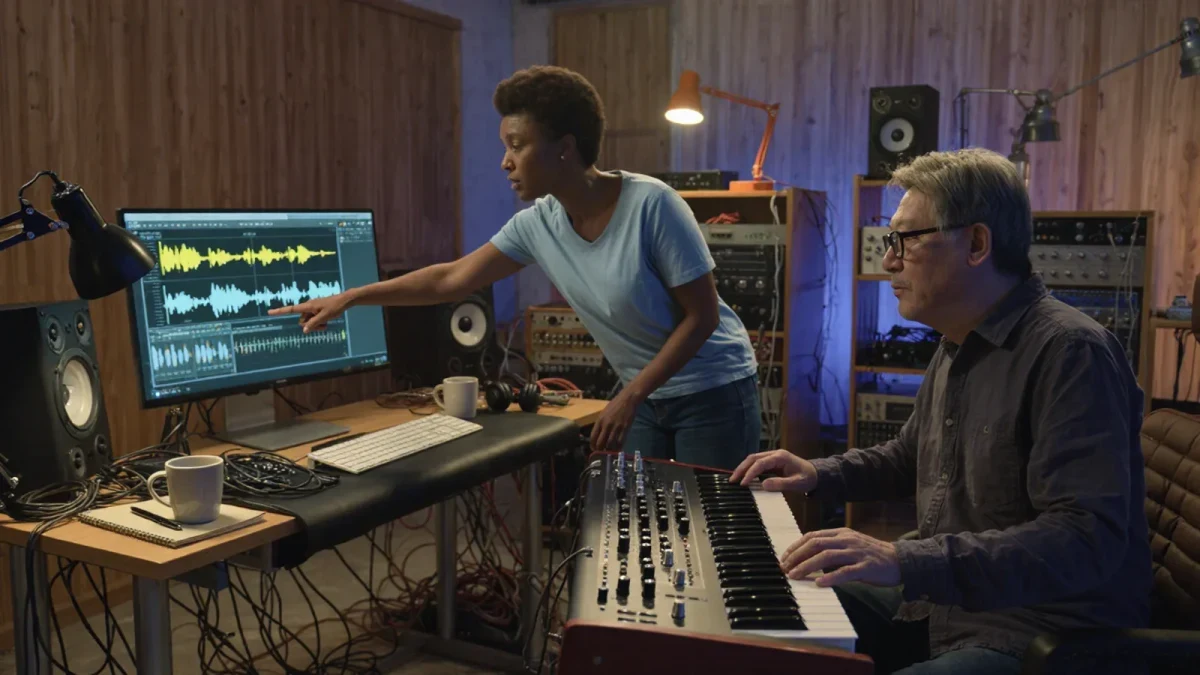
Most producers already use AI somewhere in the chain — the fight is over where the line sits, not whether the tools exist.
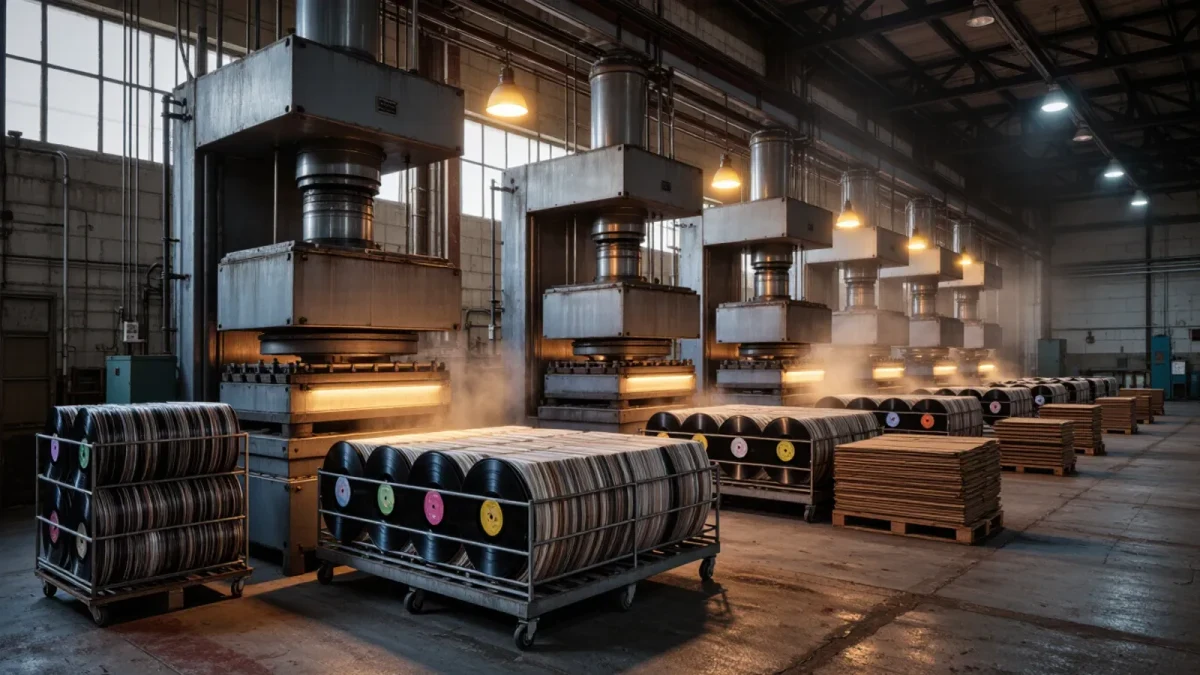
Demand has outrun the world's pressing plants for years — inside the queues, the costs and the workarounds dance labels use.
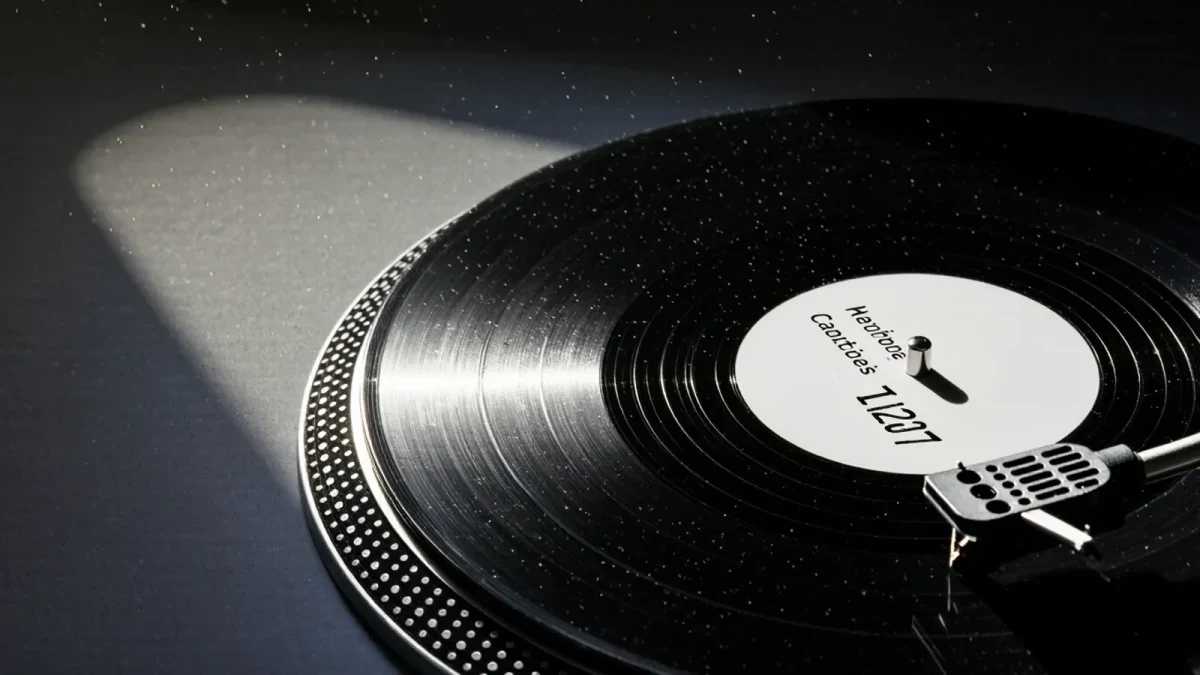
A plain black sleeve, a stamped title, no information — how white labels built dance music's underground economy.