Electronic
What Is IDM? Intelligent Dance Music, Explained
IDM is the laptop-era art school of electronic music — braindance, home-listening electronica and the records that made software an instrument.
House, techno, bass, trance and their offshoots traced through the machines that made them: drum machines, samplers, synth presets, studio habits.
IDM is the laptop-era art school of electronic music — braindance, home-listening electronica and the records that made software an instrument.
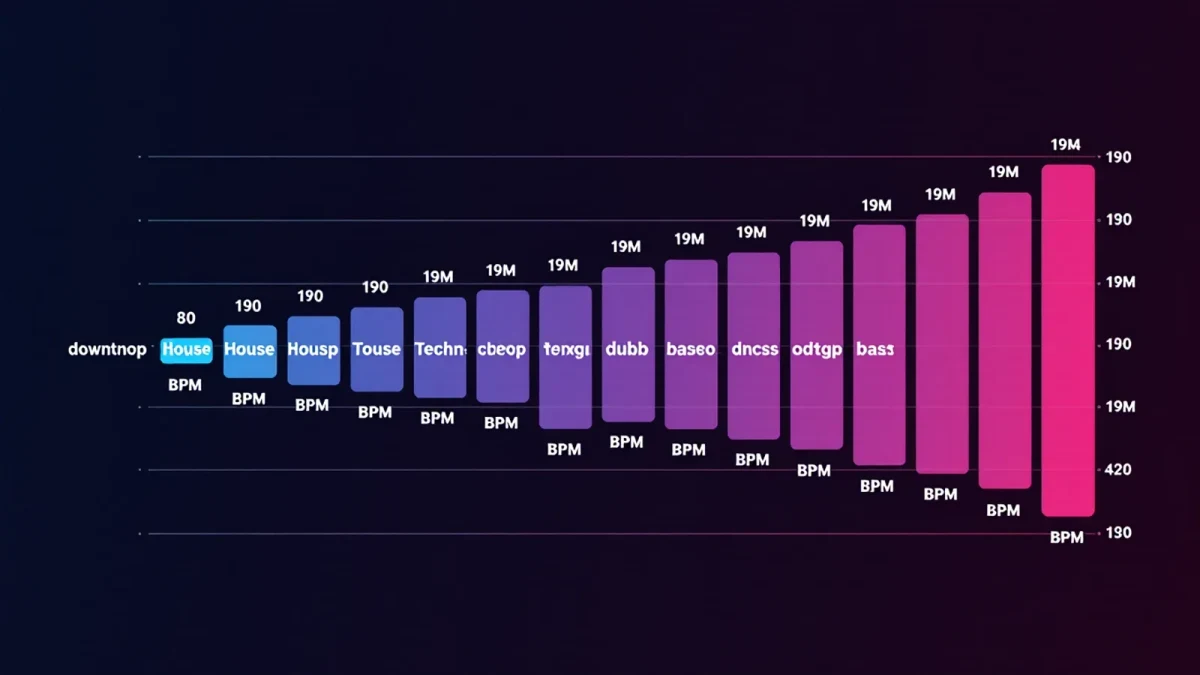
A working tempo map of electronic music — what runs at 120, what runs at 174, and how to use BPM when you mix or browse crates.

UK garage is London's swinging, soulful 2-step sound — the genre that raised dubstep, grime and half of modern pop's drum language.
Gabber, the Rotterdam-born hardcore strain that runs past 180 BPM, is dance music at its most physical — and it is booming again.
Trance is dance music's cathedral sound — long builds, melodic payoffs and 138 BPM — and it never actually went away.
Dubstep is the South London sound that went from a 100-capacity club night to global festival main stages — then split in two.